

2026 Watermelon Fungicide Guide
The information provided below is current at this time. If any updates are made to the information below, the corresponding year in which the updates are made will be included in the publication title. Four…
PhD, Professor of Plant Pathology, Research and Extension Vegetable Pathologist, Horticulture Program Team, Plant and Environmental Sciences Department, Coastal Research and Education Center
The information provided below is current at this time. If any updates are made to the information below, the corresponding year in which the updates are made will be included in the publication title. Four…

The information provided below is current at this time. If any updates are made to the information below, the corresponding year in which the updates are made will be included in the publication title. The…

The information provided below is current at this time. If any updates are made to the information below, the corresponding year in which the updates are made will be included in the publication title. Four…
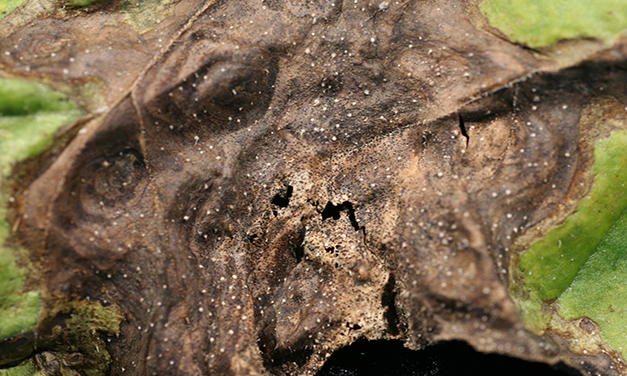
Gummy stem blight is one of the most common foliar diseases on watermelon, muskmelon, honeydew, and other specialty melons in the southeastern United States. How severe the disease becomes depends on rainfall and dew periods.…

Growers in the southeastern United States often have problems with bacterial spot on tomato and pepper. Although four species of the Xanthomonas bacterium are involved, in most areas, X. perforans is the most common species…

Powdery mildew (caused by the fungus named Podosphaera xanthii) was consistently among the most prevalent diseases of watermelon in a survey of foliar diseases done in 2015 and 2016, second only to gummy stem blight.1…
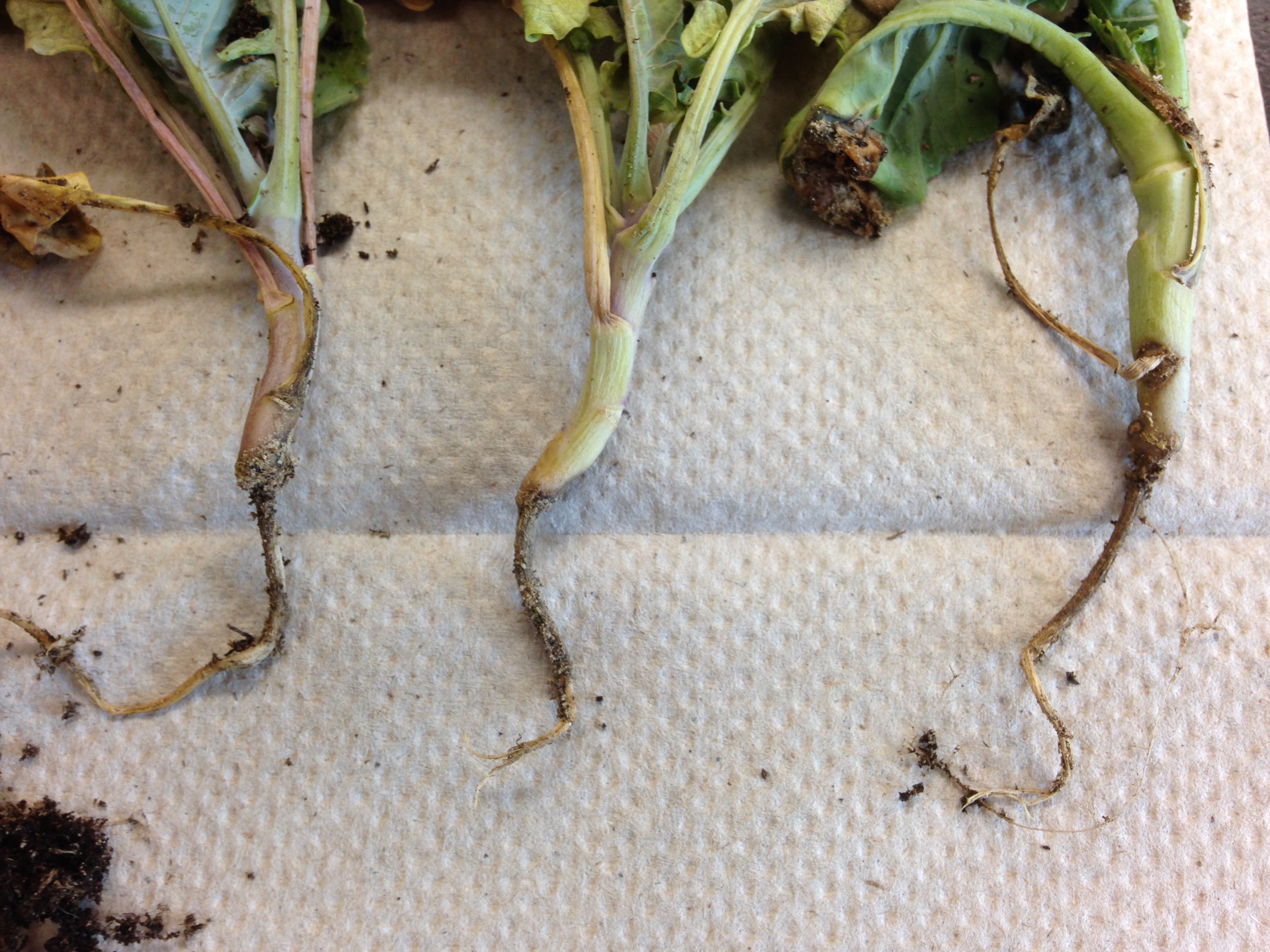
Wirestem is a disease of young vegetable brassica (cole crop) plants that affects both direct-seeded and transplanted crops. The primary symptom is dark lesions of varying depth and length on the hypocotyl (seedling stem) at…

Fusarium wilt of watermelon is the most widespread and destructive disease of watermelon in the southeastern United States and other areas of the world. The causal fungus is named Fusarium oxysporum forma specialis (“special form”)…

Phytophthora blight, crown and root rot, and fruit rot are serious problems on cucurbit and fruiting (solanaceous) vegetables in the eastern half of the United States. Short vegetable crop rotations, center-pivot irrigation, and heavy rainfall…

Southern blight is a disease of over 1,200 crops and weeds in the southern half of the United States. Among the vegetable crops affected are tomato, pepper, eggplant, snap bean, Jerusalem artichoke, and occasionally cantaloupe,…