

Introduction
Corn rootworms, seed corn maggot, wireworms, and white grubs are co-occurring soil insect pests of corn. The immature stages of each of these pest species are subterranean, allowing them to feed directly on the roots of the corn plant. This leads to stand loss, tiller production, and a likely reduction in corn yield in cases where feeding persists. Soil insect pests are sporadic and often uncommon in the southeastern U.S., but can occasionally be found at levels that economically justify control.1 Several control strategies can be highly effective for limiting or eliminating injury from these pests in the southeastern United States.2 The purpose of this publication is to provide growers, Extension agents, consultants, and other agricultural professionals an overview of the most common soil insect pests and how to control them.
Wireworms
Description and Life Cycle
Wireworms are immature stages of beetles in the family Elateridae, commonly known as click beetles. There are up to 100 economically important species of wireworm worldwide, and the species composition in a given field is highly dependent on the location, soil conditions, and crop history.3 Conoderus spp. are most prevalent in the southeast.4 The adult female beetle lays its eggs in the soil. Most species have multi-year life cycles with the larval stage lasting between two and six years.3 Adult beetles (Figure 1) are characterized by the presence of a spine on the underside on their thorax which “clicks” into a groove. When placed on their back, adult click beetles will flip into the air using this spine and groove. Wireworms, the larval stage of click beetles, are thin, shiny, hard bodied worms with six legs. Wireworms can vary in color, but are generally brownish, as seen in Figure 2.
Damage to Corn
Wireworms feed on planted seed and the roots of young developing corn plants, causing poor germination and stunted plants. Feeding from wireworms often occurs in relatively small, patchy areas throughout a field. Due to their multi-year life cycle, it can be difficult to predict when damaging populations will occur, but several risk factors have been associated with high populations of wireworms. Similar to several other pests discussed here, corn planted after sod, pasture, or small grains is at a higher risk for damaging populations of wireworms.5
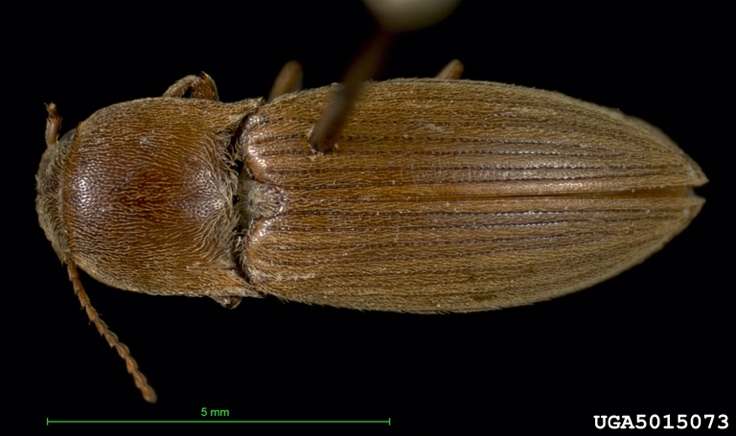
Figure 1. Adult click beetle. Photo credit: Eric LaGasa, Washington State Department of Agriculture, Bugwood.org
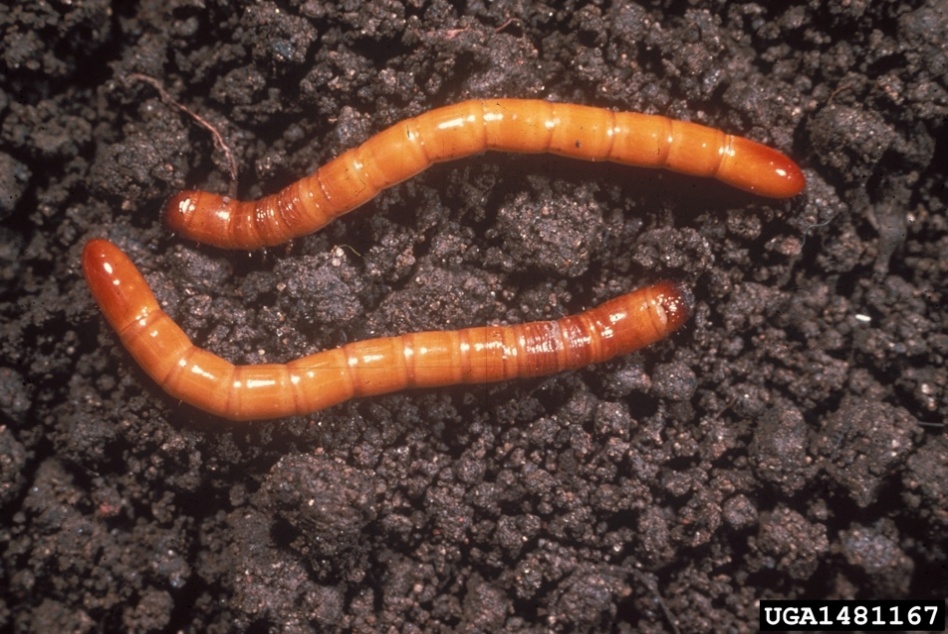
Figure 2. Immature click beetle (wireworm). Photo credit: Frank Peairs, Colorado State University, Bugwood.org
Seedcorn Maggot
Description and Life Cycle
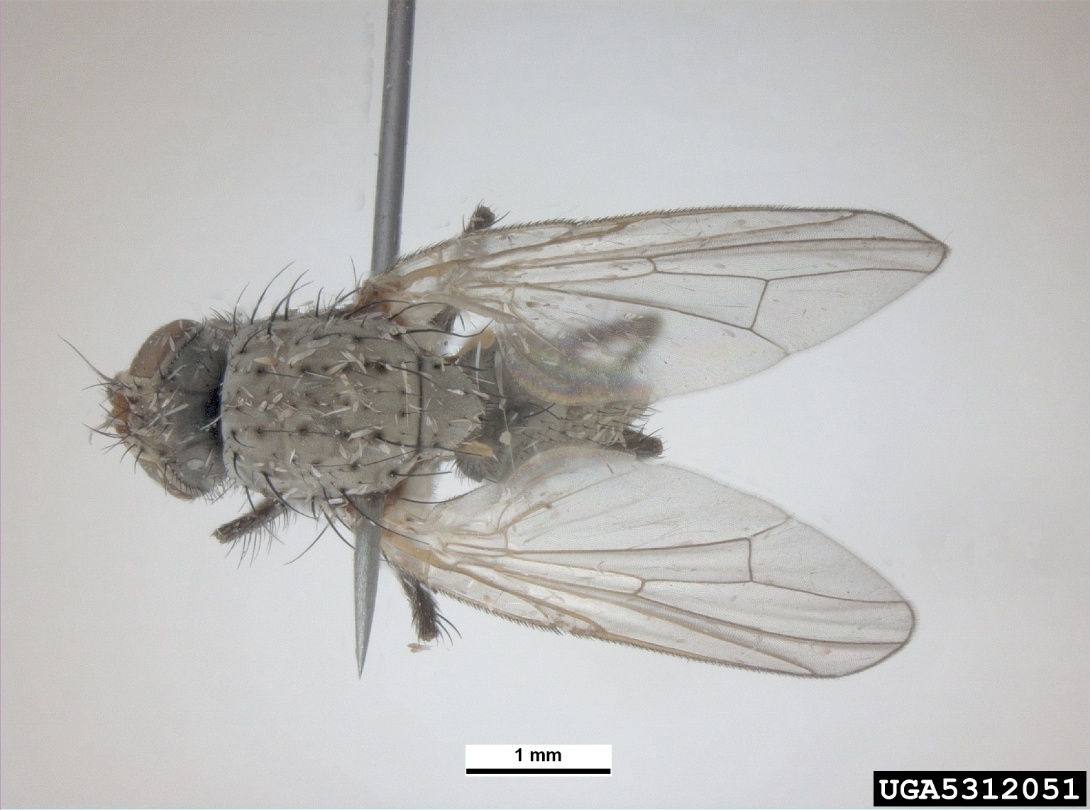
Figure 3. Adult seedcorn maggot (Delia platura). Photo credit: Pest and Diseases Image Library, Bugwood.org
The seedcorn maggot is the larval stage of a widely distributed fly species, Delia platura. Seedcorn maggot overwinters as a pupae in the soil and emerges as an adult in the spring.6 Adults are small, grayish-black flies resembling house flies (Figure 3). Adult female flies lay their white eggs in the soil and the larvae have the typical appearance of maggots. They are around 7 mm in length when fully grown, off-white in color, legless, and have a pointed front end. After feeding on plants, the insect pupates in the soil and begin a new generation. Seed corn maggots have multiple generations per year in the southern U.S., although data are lacking to provide precise estimates of generations and seasonal dynamics.
Damage to Corn
Seedcorn maggot is a highly sporadic pest that feeds on a wide range of crop hosts, with soybean being preferred over corn.7 Some estimates from the Mid-West suggest that the risk of economic injury is as low as 0.7% in corn planted after soybean, and 2% in corn following corn or a small grain. This risk increases to 4% in corn following sod, and 10% in corn following legumes. A more recent survey of growers in Virginia indicated that 33% of growers actively manage seedcorn maggot.8 Although it is highly sporadic pest, it can cause damage under the right conditions. When infestations do occur, feeding leads to failure of seed to germinate and reduced stands. If injured seeds germinate, the plants can have reduced vigor.
Southern Corn Rootworm
Description and Life Cycle
There are several species of corn rootworm occurring in corn growing regions of the U.S., including the southern corn rootworm, Diabrotica undecimpunctata, western corn rootworm, D. virgifera virgifera, and northern corn rootworm, D. barberi. The southern corn rootworm is the most prevalent in the southeast.9 The southern corn rootworm, unlike other species, produces multiple generations per year and feeds on a wide range of host plants.9 In the southeast, adult beetles can overwinter and become active in the spring. Eggs are laid at the base of host plants, which can be corn seedlings, or cover crops that have yet to be terminated. Larvae hatch and feed directly on the roots of their host plant. If eggs are laid in cover crops, larvae can move to feed on corn roots once the cover crop is terminated. In some cases, larvae begin feeding on corn roots too late for it to cause economic injury. Adult southern corn rootworms, also known as spotted cucumber beetles, are yellow beetles with 12 black spots on the wing coverings (i.e., elytra) (Figure 4). Corn rootworm larvae are very small (~13 mm), white, and have a brown head (Figure 5).
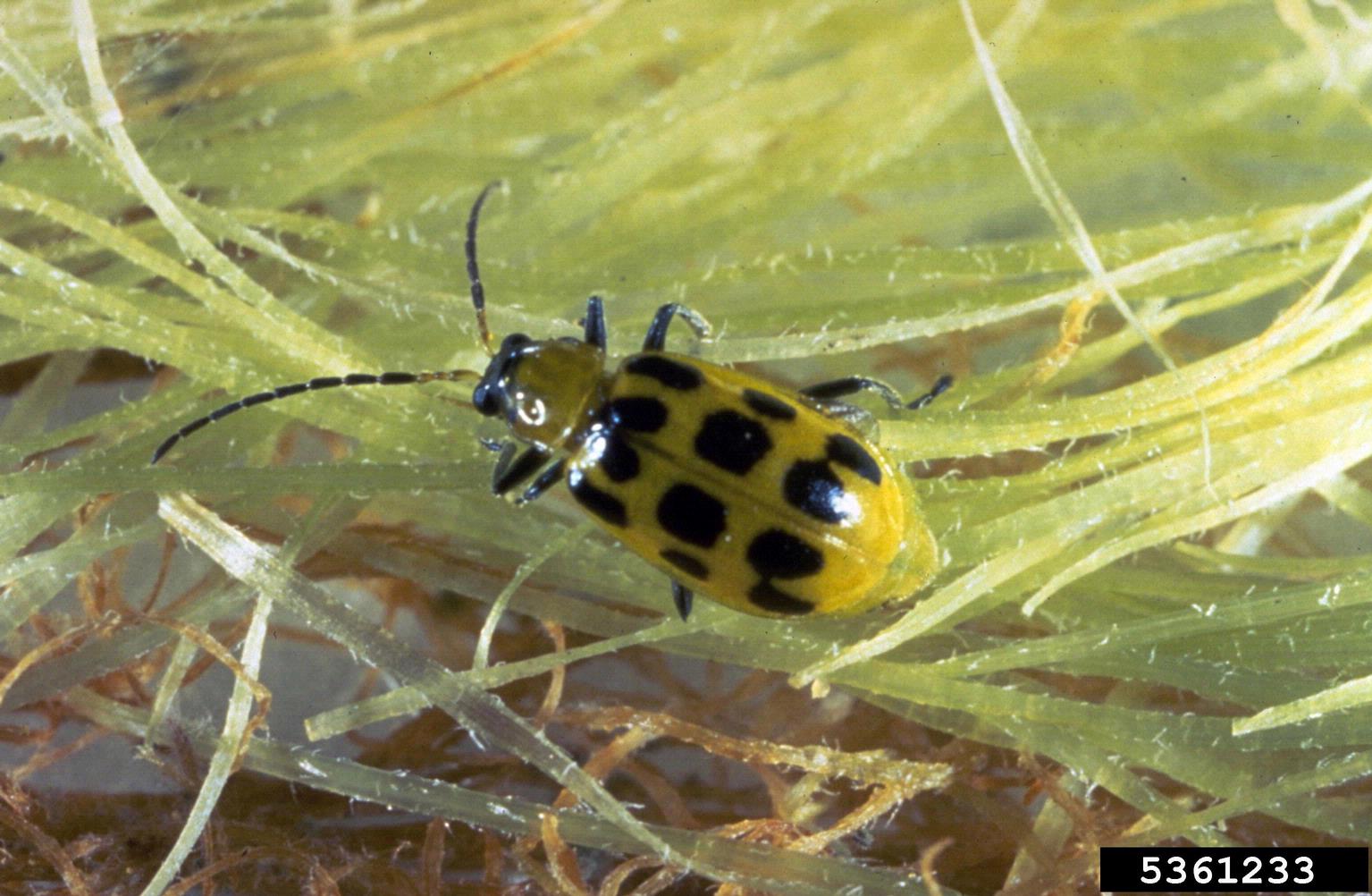
Figure 4. Southern corn rootworm adult (Diabrotica undecimpunctata). Photo credit: R.L. Croissant, Bugwood.org
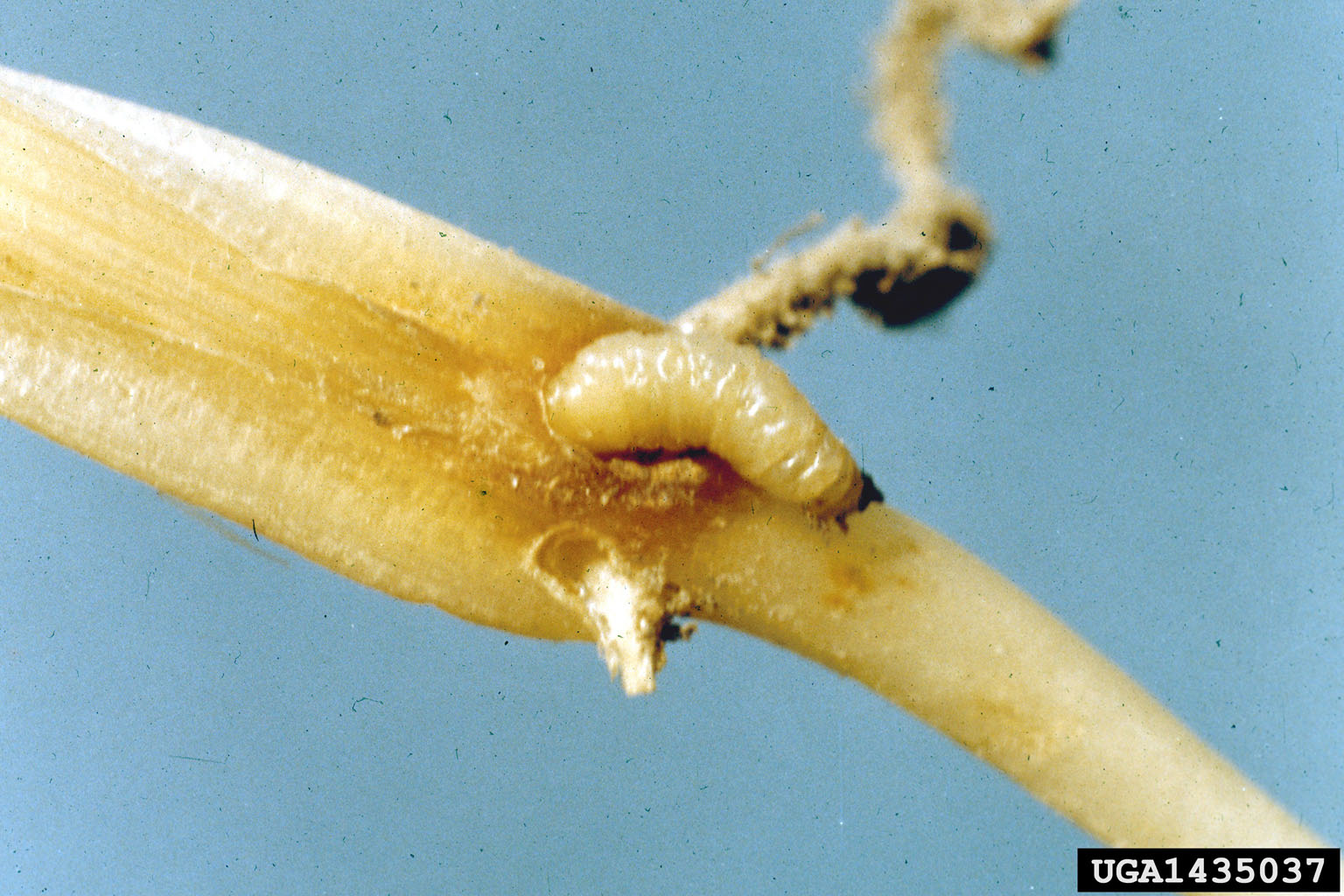
Figure 5. Southern corn rootworm larva (Diabrotica undecimpunctata). Photo credit: Clemson University – USDA Cooperative Extension Slide Series, Bugwood.org
Damage to Corn
Across all corn growing states in the U.S. and Canada, corn rootworms rank as the most important pest species of corn.1 The western and northern corn rootworm are the two major pest rootworm species, as both can overwinter in the northern U.S. The southern corn rootworm cannot overwinter in the northern U.S., which limits their pest status due to their arrival too late in the growing season to cause significant damage. In the southeast, economic injury from western and northern corn rootworm is far less common, and southern corn rootworm is a sporadic pest.1,2 Corn rootworms feed on roots, limiting uptake of water and nutrients and leading to reduced plant vigor and yields. Damage is typically categorized by the number of root nodes injured and what percentage has been eaten.10 Southern corn rootworm feeding can lead to stand loss and plants producing tillers. Plants with tillers developing early produce just 38% of the yield of healthy plants, and plants with later developing tillers produce less than 10% of the yield of healthy plants.11
White Grubs
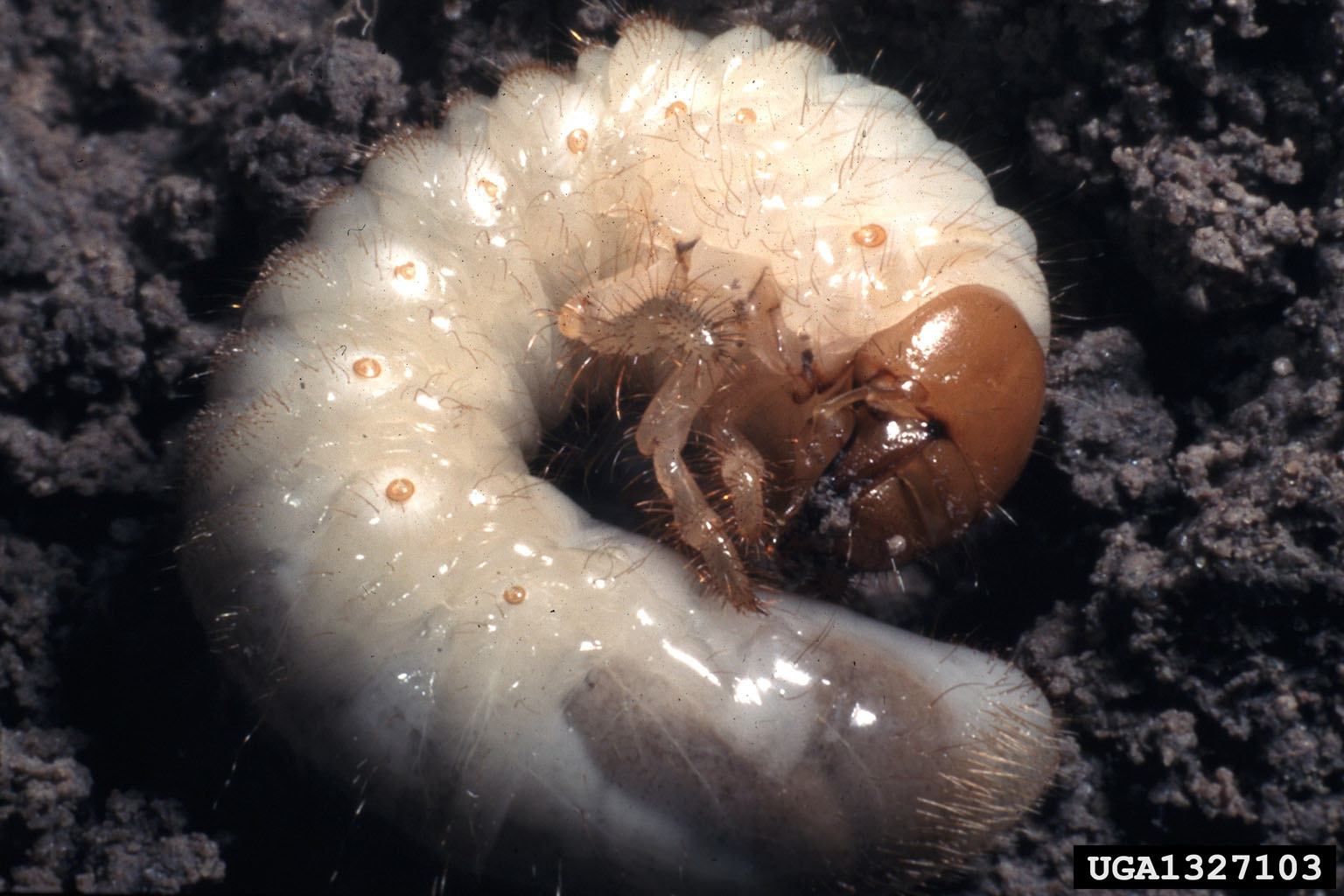
Figure 6. White grub. Photo credit: Alton N. Sparks, Jr., University of Georgia, Bugwood.org
White grubs are the immature stages of several species of scarab beetles. The predominant species found in the southeast are the Japanese beetle, Popillia japonica, Asiatic garden beetle, Maladera castenea, northern and southern masked chafers, Cyclocephala spp, and the green June beetle, Cotinis nitida.12 For some of these species, particularly the Japanese beetle, the adult beetle can also be a pest of above ground portions of corn later in the season, feeding mostly on corn leaves and silk. Adult beetles have a similar appearance but vary among species in size and color. Many species have a metallic appearance. White grubs usually are curled into a c-shape when found in the soil (Figure 6). They are cream colored, with a distinct dark brown head capsule, a dark gray or black hind end, and three pairs of legs. To distinguish between different species as larvae, the number and arrangement of hairs on the hind end can be examined under the microscope. White grubs range in size from around 1/8 inch to an inch long, depending on the species.
Damage to Corn
White grub feeding symptoms are similar to those of other soil pest species, including stunted plants and reduced stands. White grubs alone are unlikely to cause economic injury at field realistic densities,13 but they can contribute to losses together with all the pests described here. Despite research suggesting that white grubs do not cause economic injury in most cases, an action threshold of >1.6 grubs per soil sample in the fall and >1.04 grubs per soil sample in the spring has been suggested.14
Management
Sampling
Once injury to corn has occurred, rescue treatments for soil pests are ineffective, but sampling can still provide valuable information for future plantings in a given field. Sampling for soil pests in the fall can help to predict spring densities in some cases, allowing decisions to be made on seed treatment type and rate.14 To sample for corn rootworm, a 7 in3 area around a corn plant can be excavated and submerged in a bucket with salt water.15 Rootworms will float to the top when submerged and can be counted to get an estimate of population density. Roots can also be inspected to estimate the amount of feeding that has occurred. Wireworms and white grubs can be sampled using a one cubic foot soil sample dug to 6 inches deep, followed by sorting through the sample on a black piece of cloth or container.3,16 The number of grubs or wireworms per cubic foot can then be determined. Sampling the adult stage of these insects with yellow sticky cards, pheromone traps, or UV light traps can also provide some indication of estimated larval populations for the current or subsequent season.14,15 The correlation between adult sampling and larval densities in the soil requires more extensive study for these pests,3,17 but it may provide some insight or incentive to follow up with more extensive soil sampling.
In addition to estimating population densities of the insects themselves, sampling for stand loss can provide an estimate of potential soil insect densities. Stand loss can also occur as a result of a number of other biotic and abiotic factors, so it is important to confirm the presence of insects if insect feeding is thought to be the cause. To estimate total stand loss, the number of plants in 10 row feet can be counted at several sites throughout a field. The number of plants/row foot is calculated, then number of plants per row foot should be multiplied by 17,424 (30 inch row spacing), 14,520 (36 inch row spacing), 13,754 (38 inch row spacing), or 13068 (40 inch row spacing) to get an estimate of stand loss.18
Cultural Control
Many soil pests of corn can have their populations significantly reduced by rotating corn out of production or to different fields in subsequent years. This is particularly effective for some species of corn rootworm, but not for the southern corn rootworm as it overwinters as an adult.2
Reduced tillage also has the potential to increase populations of some soil pests.2,19 Legume cover crops, and vetch in particular, can increase the risk of stand loss from southern corn rootworm and cornseed maggot feeding.11,20 Sod prior to corn planting can also significantly increase the risk of seedcorn maggot injury.2 Legume winter cover crops should be terminated at least four weeks prior to planting corn to limit population densities of southern corn rootworm.9 Heavy soils with high levels of moisture as well as fields with high weed densities are at higher risk for southern corn rootworm injury.21 Northern and western corn rootworms can be managed using Bt hybrids,22 however these do not have any activity for southern corn rootworm.
Biological Control
Entomopathogenic nematodes can attack soil pests including larvae and pupae of southern corn rootworm and seed corn maggot.23 The benefit of this management strategy is that under the right conditions, populations of nematodes can be persistent in the soil and provide control for multiple seasons in continuous corn.23 More research is needed on the long term efficacy of this strategy, as well as the most effective means of application.
Chemical Control
The most effective way to manage soil pests of corn is to plant seed coated in a prophylactic insecticide.24 For some pests in this complex, such as wireworms, the insecticide may not produce mortality directly, but can still limit or eliminate stand loss or plant vigor reduction.24 Neonicotinoids are systemic insecticides that are taken up into the plant early in development when coated on the seed. At least 80% of corn seed planted in the U.S. is coated with at least the lowest commercially available rates of neonicotinoid seed treatments.25 In areas with a history of high pest pressure from soil pests, and/or corn is planted without rotation, higher rates of seed treatments or additional insecticides at planting should be considered. Seed treatment and insecticides options to be used in furrow labeled for management of soil pests are listed in Table 1.
Table 1. Insecticides with Activity for Soil Pests of Corn
| Application | Active Material | Product name | Rate |
| Seed treatments | Clothianidin | Poncho 250 or Acceleron | 0.25 mg (ai)/seed |
| Poncho 1250 or Acceleron | 1.25 mg (ai)/seed | ||
| Thiamethoxam | Cruiser 5FS 250 | 0.25 mg (ai)/seed | |
| Cruiser 5FS 1250 | 1.25 mg (ai)/seed | ||
| In furrow | Bifenthrin | Capture 2EC | 3.2 – 8oz/1000 ft of row |
| Gamma-cyhalothrin | Proaxis | 0.66 oz/1000 ft of row | |
| Lambda-cyhalothrin | Warrior | 0.66 oz/1000 ft of row | |
| Phorate | Thimet 20G | 4.5 – 6 oz/1000 ft of row | |
| Terbufos | Counter 20G | 4.5 – 6 oz/1000 ft of row |
Summary
While a complex of soil pests can cause significant damage to corn, the species outlined in this article are generally sporadic pests. However, proactive management is necessary for these pests, which generally involves the use of insecticide seed treatments and in-furrow insecticide applications. More research is needed to better predict infestations based on landscape characteristics and cultural practices to help optimize the use of control tactics.
References Cited
- Reisig, D., Graham, S., Bateman, N., Studebaker, G., Meyer, R., Reay-Jones, F., Wise, K., Owens, D., Buntin, G., Smith, J., et al. (2024). Corn invertebrate loss estimates from the United States and Ontario, Canada – 2024 (CPN-2019-24). Crop Protection Network. https://doi.org/10.31274/cpn-20250224-1
- Sappington, T. W., Hesler, L. S., Allen, K. C., Luttrell, R. G., & Papiernik, S. K. (2018). Prevalence of sporadic insect pests of seedling corn and factors affecting risk of infestation. Journal of Integrated Pest Management, 9(1). https://doi.org/10.1093/jipm/pmx020
- Traugott, M., Benefer, C. M., Blackshaw, R. P., Van Herk, W. G., & Vernon, R. S. (2015). Biology, ecology, and control of elaterid beetles in agricultural land. Annual Review of Entomology, 60, 313–334. https://doi.org/10.1146/annurev-ento-010814-021035
- Willis, R. B., Abney, M. R., & Kennedy, G. G. (2010). Survey of wireworms (Coleoptera: Elateridae) in North Carolina sweetpotato fields and seasonal abundance of Conoderus vespertinus. Journal of Economic Entomology, 103(4), 1268–1276. https://doi.org/10.1603/EC09174
- Belcher, D. W. (2015). Influence of cropping systems on the number of wireworms (Coleoptera: Elateridae) collected in baits in Missouri cornfields. Journal of the Kansas Entomological Society, 62(4), 590–592.
- Reid, W. (1940). Biology of the seed-corn maggot in the coastal plain of the south Atlantic states (USDA Technical Bulletin No. 723). U.S. Department of Agriculture.
- Hough-Goldstein, J. A., & Hess, K. A. (1984). Seedcorn maggot (Diptera: Anthomyiidae) infestation levels and effects on five crops. Environmental Entomology, 13(4), 962–965. https://doi.org/10.1093/ee/13.4.962
- Malone, S., Herbert, D. A., & Pheasant, S. (2004). Determining adoption of integrated pest management practices by grains farmers in Virginia. Journal of Extension, 42(4).
- Arant, F. S. (1929). Biology and control of the southern corn rootworm (Bulletin No. 230). Alabama Agricultural Experiment Station.
- Oleson, J. D., Park, Y. L., Nowatzki, T. M., & Tollefson, J. J. (2005). Node-injury scale to evaluate root injury by corn rootworms (Coleoptera: Chrysomelidae). Journal of Economic Entomology, 98(1), 1–8. https://doi.org/10.1093/jee/98.1.1
- Buntin, G. D., & All, J. N. (2013). Corn stand and yield loss from seedling injury by southern corn rootworm (Coleoptera: Chrysomelidae). Journal of Economic Entomology, 106(4), 1669–1675. https://doi.org/10.1603/EC11304
- Youngman, R. R., Midgarden, D. G., Herbert, D. A., Nixon, K. H., & Brann, D. E. (1993). Evaluation of a preplant method for detecting damage to germinating corn seeds by multiple species of insects. Environmental Entomology, 22(6), 1251–1259. https://doi.org/10.1093/ee/22.6.1251
- Rice, M. E. (1994). Damage assessment of the annual white grub, Cyclocephala lurida (Coleoptera: Scarabaeidae), in corn and soybean. Journal of Economic Entomology, 87(1), 220–222. https://doi.org/10.1093/jee/87.1.220
- Jordan, T. A., Youngman, R. R., Laub, C. L., Tiwari, S., Kuhar, T. P., Balderson, T. K., Moore, D. M., & Saphir, M. (2012). Fall soil sampling method for predicting spring infestation of white grubs (Coleoptera: Scarabaeidae) in corn and the benefits of clothianidin seed treatment in Virginia. Crop Protection, 39, 57–62. https://doi.org/10.1016/j.cropro.2012.04.006
- Purdue University Pest and Crop Newsletter. (n.d.). Corn rootworms. https://ag.purdue.edu/department/entm/extension/field-crops-ipm/corn/corn-rootworms.html
- Purdue University Pest and Crop Newsletter. (n.d.). White grubs (corn). https://ag.purdue.edu/department/entm/extension/field-crops-ipm/corn/white-grubs.html
- Foster, R. E., Tollefson, J. J., Nyrop, J. P., & Hein, G. L. (1986). Value of adult corn rootworm (Coleoptera: Chrysomelidae) population estimates in pest management decision making. Journal of Economic Entomology, 79(2), 303–310. https://doi.org/10.1093/jee/79.2.303
- Reisig, D. (2022). Scouting for seedling pests. NC State Extension. https://corn.ces.ncsu.edu/corn-insect-management/scouting-and-thresholds/scouting-for-seedling-insects/
- Gregory, W. W., & Musick, G. J. (1976). Insect management in reduced tillage systems. American Entomologist, 22(3), 302–304.
- Buntin, G. D., All, J. N., McCracken, D. V., & Hargrove, W. L. (1994). Cover crop and nitrogen fertility effects on southern corn rootworm (Coleoptera: Chrysomelidae) damage in corn. Journal of Economic Entomology, 87(6), 1683–1688. https://doi.org/10.1093/jee/87.6.1683
- Brust, G. E., & House, G. J. (1990). Influence of soil texture, soil moisture, organic cover, and weeds on oviposition preference of southern corn rootworm (Coleoptera: Chrysomelidae). Environmental Entomology, 19(6), 966–971. https://doi.org/10.1093/ee/19.4.966
- McCullock, J. B., & Gassmann, A. J. (2024). Effects of combining soil-applied insecticide and Bt corn for integrated pest management and resistance management of western corn rootworm (Coleoptera: Chrysomelidae). Journal of Economic Entomology, 117(5), 1884–1891.
- Riga, E., Whistlecraft, J., & Potter, J. (2001). Potential of controlling insect pests of corn using entomopathogenic nematodes. Canadian Journal of Plant Science, 81(4), 783–787. https://doi.org/10.4141/P00-116
- Cherry, R., Taylor, J., Sherrod, D., & Karounos, M. (2017). Corn seed treatments for control of the corn wireworm (Coleoptera: Elateridae). Journal of Entomological Science, 52(2), 161–168. https://doi.org/10.18474/JES16-20.1
- Douglas, M. R., & Tooker, J. F. (2015). Large-scale deployment of seed treatments has driven rapid increase in use of neonicotinoid insecticides and preemptive pest management in U.S. field crops. Environmental Science & Technology, 49(8), 5088–5097. https://doi.org/10.1021/es506141g