

Rainwater harvesting is the collection and temporary storage of rainwater for non-potable applications and stormwater management. Rainwater harvesting systems can be retrofitted with passive- or active-release mechanisms to improve how well the systems manage stormwater runoff. This publication contains information that may be useful to municipalities, stormwater professionals, rainwater harvesting system owners and/or managers, homeowners associations, and stormwater educators, among others, on what passive and active release are, the benefits to each, and where to find more information.
Introduction
Rainwater harvesting is the collection and temporary storage of rainwater from a roof surface for non-potable applications (e.g., irrigation and toilet flushing) and stormwater management (e.g., erosion and flood control). Rainwater harvesting tanks are available in sizes ranging from less than 100 gallons (typically referred to as rain barrels) to thousands of gallons (also known as cisterns). For more details regarding the design of rain barrels, please refer to HGIC 1900: Designing for Rain Barrel Success.
For a rainwater harvesting system to effectively manage stormwater, the user must use or otherwise remove the captured water before the next rain event to provide storage for runoff from the next storm. However, this can be challenging when the harvested water is intended for irrigation due to seasonal variations (growing versus dormant) and recent rainfall. To address this challenge, rainwater harvesting systems can have passive or active release mechanisms to ensure there is sufficient storage available in the tank before the next storm.
What is Passive Release?
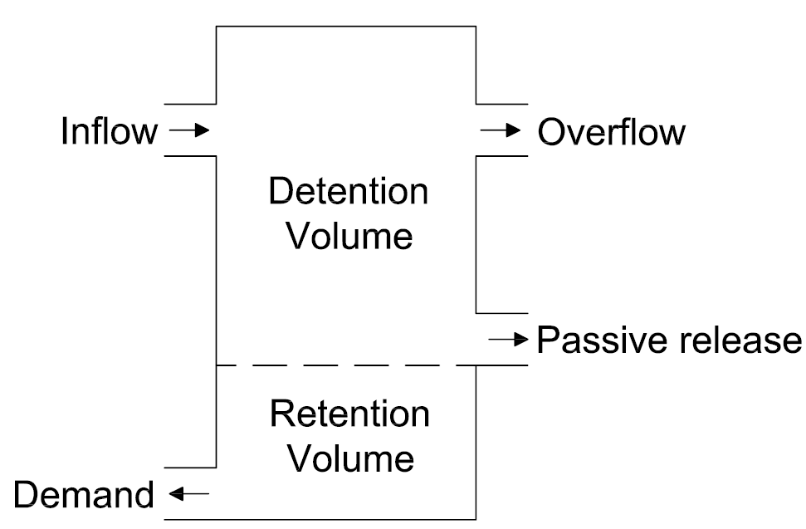
Figure 1. Passive-Release Inputs and Outputs. Note. From Quinn et al., 2021 and Xu et al., 2018.
Passive release or passive discharge is the use of a small drawdown orifice or hole that separates the tank into detention and harvesting volumes (Figure 1; Quinn et al., 2021; Xu et al., 2018; Gee & Hunt, 2016). The detention volume is the water that is slowly released through the drawdown orifice between storm events. This volume becomes the available storage within the tank for the runoff generated from the next rain event. The harvest or retention volume is the remaining water in the tank that can be used for other non-potable applications. The location of the orifice along the side of the tank determines how much water is released from the tank versus stored in the tank. The size of the orifice determines how quickly water is released from the tank. Ideally, the water released from the tank discharges into a rain garden or an area where the water can infiltrate the ground over the course of 2-5 days (Figure 2). The water could also run into a pipe that connects to the storm drain system (Figure 3). Homeowners can install and maintain a passive release mechanism with their rainwater harvesting system. Please refer to the North Carolina Stormwater Design Manual for example design requirements for rainwater harvesting systems with passive release. For more details about rain gardens, refer to Clemson University’s Cooperative Extension’s Guide to Rain Gardens in South Carolina.
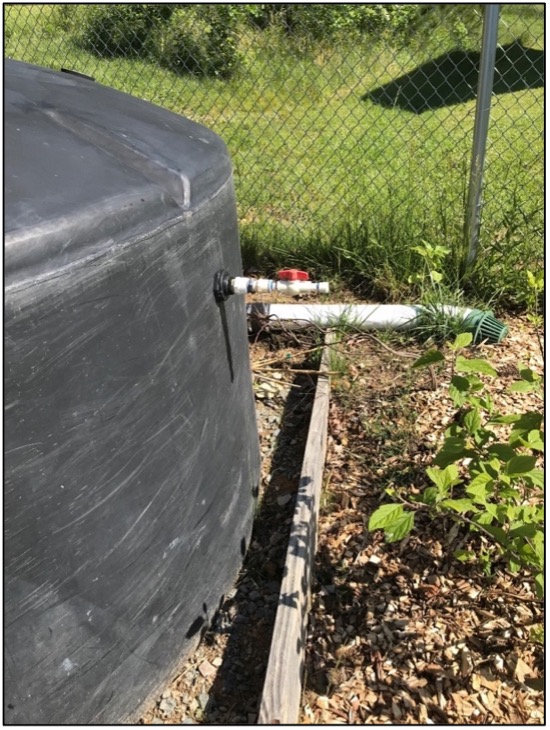
Figure 2. A Passive Release Discharging Water to an Infiltration Area. Note. Image credit: Mitch Woodward, NC State Cooperative Extension.
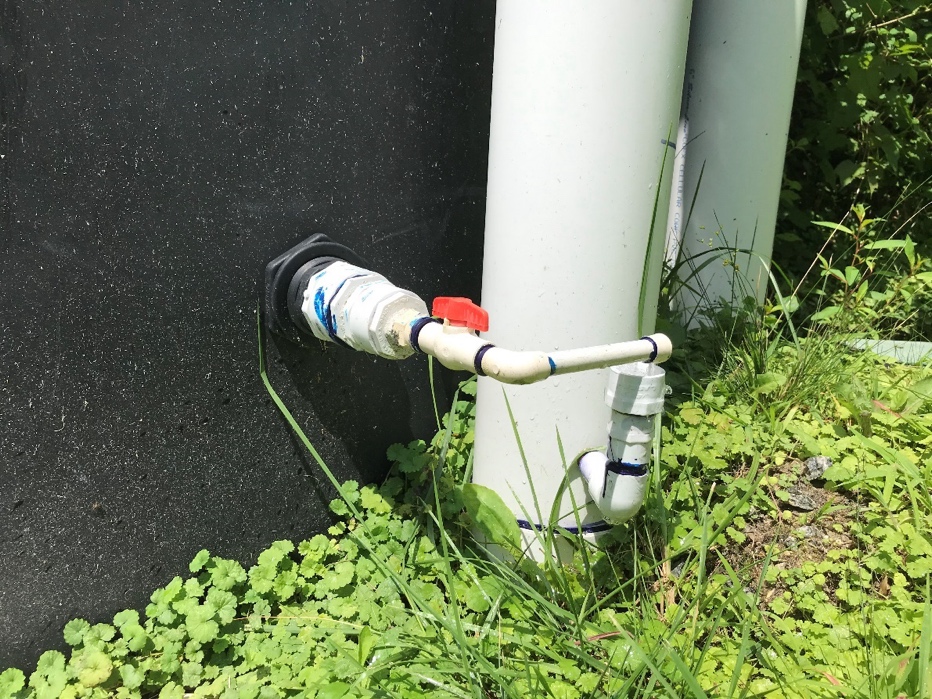
Figure 3. A Passive Release Discharging Water to a Pipe Connected to a Storm Drain System. Note. Image Credit: Mitch Woodward, NC State Cooperative Extension.
How Well Does it Work?
Research shows that passive release can be effective at controlling flooding. Gee and Hunt (2016) studied a cistern retrofitted with a passive release in New Bern, North Carolina from August 2011 to November 2012. The cistern received runoff from 90 storm events, and the cistern captured approximately 77% of the total runoff generated from the rooftop. In other words, only 23% of the total runoff bypassed the cistern or became overflow. On average, the cistern and passive release reduced peak flows by 90%. The system also met 44 of the 51 demand events (vehicle washing, equipment filling, street sweeping) during the monitoring period.
What is Active Release?

Figure 4. Active-Release Inputs and Outputs. Note. From Quinn et al., 2021 and Xu et al., 2018.
Active release requires a real-time or forecast-based control device, data from a water level sensor within the cistern, and an automated valve to release water from the cistern (Figure 4; Quinn et al., 2021; Xi et al., 2016; Gee & Hunt, 2016). A real-time control device uses a wireless connection to download live weather forecasts. Based on the predicted rainfall amount and measured water level in the cistern, the forecast-based control slowly releases water from the tank only if there is insufficient storage to capture the estimated runoff. The real-time control device closes the valve once the tank has the capacity to store the estimated volume of incoming water, which helps preserve water for non-potable applications. This technique allows the runoff to infiltrate the soil in a rain garden or infiltration zone before a storm event. If the water is discharged into a storm drain system prior to a storm, it reduces the amount of runoff entering the system during a storm. Typically, these systems are manufactured and maintained by companies specializing in this type of technology. Please refer to the Opti Design Overview Manual for example design requirements for rainwater harvesting systems retrofitted with active release.
How Well Does it Work?
Gee and Hunt (2016) studied rainwater harvesting system retrofitted with active release in New Bern, North Carolina from October 2011 to January 2013. The cistern received runoff from 84 storm events, and the average reduction of peak flows was 93%. Fifty-one percent of the runoff became overflow, and the peak flow rates reduced by 63%. Braga et al. (2018) monitored two rainwater harvesting systems retrofitted with active release in Washington, DC from March 2014 to December 2017. The cisterns captured 96-99% of the total runoff volume during the monitoring period.
Conclusion
Not only can rainwater harvesting provide a source of non-potable water, but it can also be used to dampen the effects of storms on the storm sewer system. Installing or retrofitting rainwater harvesting systems with either passive- or active-release valves provides greater control over storage volume capacity while preserving the ability to use stored water for irrigation and other applications.
References Cited
- Quinn, R., Rougé, C., & Stovin, V. (2021). Quantifying the performance of dual-use rainwater harvesting systems. Water Research X, 10(1). www.doi.org/10.1016/j.wroa.2020.100081
- Xu, W. D., Fletcher, T. D., Duncan, H. P., Bergmann, D. J., Breman, J., & Burns, M. J. (2018). Improving the multi-objective performance of rainwater harvesting systems using real-time control technology. water, 10(2), 147. www.doi.org/10.3390/w10020147
- Gee, K. D., & Hunt, W. F. (2016). Enhancing stormwater management benefits of rainwater harvesting via innovative technologies. Journal of Environmental Engineering, 142(8), article 04016039. www.doi.org/10.1061/(ASCE)EE.1943-7870.0001108
- Braga, A., O’Grady, H., Dabak, T., & Lane, C. (2018). Performance of two advanced rainwater harvesting systems in Washington DC. water, 10(5), 667. www.doi.org/10.3390/w10050667
Additional Resources
American Rainwater Catchment Systems Association (ARCSA)
Best Practices for Application of Harvested Rainwater on Edibles
Choosing a Pump for Rainwater Harvesting
Mosquito Control for Rainwater Harvesting Systems
Rainwater Harvesting: Guidance for Homeowners