

The agricultural landscape in the United States is continually evolving, with growers and the tomato industry seeking innovative ways to meet consumer demands while enhancing profitability. The introduction of both bioengineered and classically bred anthocyanins-enriched purple tomatoes presents a unique opportunity for U.S. growers to cultivate a high-value crop that appeals to niche markets and commands premium pricing. Bioengineered purple tomatoes achieve high anthocyanin levels through the introduction of snapdragon transcription factors, while classically bred ‘Indigo Rose’ purple tomatoes are developed via classical breeding methods, providing an alternative for consumers who prefer traditionally bred products. Specifically, the purple tomato holds potential in health food stores, organic markets, direct-to-consumer sales channels such as farmers’ markets, and even home gardens. This article examines the multifaceted benefits of both bioengineered and classically bred anthocyanins-enriched purple tomato for U.S. growers, emphasizing its premium pricing potential, appeal to niche and health-focused markets, enhanced nutritional value, economic advantages, and the potential shift in public perception towards genetically modified crops.
Introduction
Anthocyanins are natural compounds known as antioxidants, which are abundant in many fruits and vegetables like blueberries, strawberries, red cabbage, purple corn and purple sweet potato.1-4 These compounds not only give these foods their rich colors but also offer significant health benefits. Regular consumption of anthocyanin-rich foods can help lower the risk of developing certain cancers, improve heart health by reducing the risk of cardiovascular diseases, and combat age-related degenerative conditions such as arthritis and cognitive decline.5-8 Research shows that anthocyanins can reduce inflammation,9 improve vision,10 and help prevent obesity and diabetes.11 The health benefits of anthocyanins require consuming relatively high amounts through diet.12 The bioengineered purple tomato rich in anthocyanins is not just another variety in the extensive tomato family, but instead represents a significant advancement in agricultural biotechnology and offers substantial opportunities for growers. It has been engineered through the expression of two transcription factors derived from the snapdragon plant (Antirrhinum majus L.) (Figure 1a). Unlike traditional red tomatoes, the bioengineered purple tomato accumulates high levels of anthocyanins both in the peel and flesh (figure 1c).13
Most tomato cultivars do not naturally have anthocyanins in their fruit, but a trait from a wild tomato relative has been introduced to allow small, light-dependent amounts of anthocyanins to form in parts of the tomato skin.14 In general, transcription factors that control genes in entire metabolic pathways are effective tools for engineering plants that produce high levels of specific metabolites.15,16 The Delila (Del) and Rosea1 (Ros1) genes from Antirrhinum majus (snapdragon) are introduced into transgenic tomato fruit. De encodes a basic helix-loop-helix (bHLH) transcription factor, while Ros encodes a MYB-related transcription factor. Together, these factors interact to activate anthocyanin biosynthesis in snapdragon flowers (Figure 1b).13 By transferring these genes into the tomato plant, the researchers at the John Innes Centre in the United Kingdom were able to turn on the tomato’s natural ability to produce anthocyanins.13,17
In regular red tomatoes, the natural process of making anthocyanins is turned off, which is why the fruit remains red and rich in lycopene, another antioxidant (figure 1c). However, in the bioengineered purple tomatoes, the added snapdragon genes turn on this process, leading to high anthocyanin levels in the fruit (Figure 1c). The result is a tomato that not only looks unique but also has a higher antioxidant content, giving it extra nutritional value. The purple tomato offers a simple and flavorful way to increase antioxidant intake without drastic lifestyle changes.17
In contrast to bioengineered options, the ‘Indigo Rose’ variety is developed through classical breeding (Figure 2), providing consumers who prefer traditionally bred products with an alternative choice. Classical breeding techniques involve crossing cultivated tomatoes with wild Solanum species that naturally produce higher levels of anthocyanins. For example, the ‘Indigo Rose’ was developed by introducing specific genes such as atroviolaceum (atv) and Anthocyanin fruit (Aft) from wild relatives into cultivated varieties, resulting in a stable and uniformly purple-hued tomato. 18 Both classical breeding and bioengineering techniques focus on increasing the nutritional benefits, meeting the rising consumer demand for healthy produce.

Figure 1. The development of Bioengineered Purple Tomatoes. a) Visual overview of the construction of the pDEL.ROS binary vector used to develop purple tomatoes. This vector contains special DNA sequences called promoters that activate the DEL and ROS genes only in the fruit. It also includes selectable marker genes that confer antibiotic resistance, enabling the identification of successfully modified tomato plants. These markers are used solely during the development process and do not affect the final product. First, the E8 promoter from tomato DNA was copied and used to replace the standard promoter in the vector. Then, the DEL and ROS genes were inserted under the control of the E8 promoter. Finally, this modified vector was introduced into tomato plants, turning on the production of anthocyanins, the pigments that give the fruit its purple color. b) The anthocyanin biosynthetic pathway is a coordinated series of steps that transform simple molecules into the vibrant pigments responsible for the colors in many plants. Starting with the basic building block phenylalanine and involving a series of specific enzymes, plants efficiently produce and store anthocyanins to showcase their bright and appealing colors. c) Normally, red tomatoes do not produce anthocyanins because the transcriptional complex that controls their biosynthesis is turned off. Instead, their red color comes from high levels of lycopene, a carotenoid pigment. With addition of two specific transcription factors, Rosea1 and Delila, which are expressed specifically in the fruit, activates the production of anthocyanins, especially delphinidin. This genetic modification causes the tomatoes to develop a purple color. Image credit: Tariq Alam, Clemson University.

Figure 2. Breeding history for P20-3-1, classically bred ‘Indigo Rose’ purple tomatoes. Dashed lines reflect pedigrees derived from literature, but the exact breeding methods cannot be verified. Image credit: Tariq Alam, Clemson University.
Genetic Modification Process
Mechanism of Enhancing Anthocyanin Production in Bioengineered Purple Tomatoes
The Rosea1 and Delila genes function by activating the expression of multiple enzymes involved in the anthocyanin biosynthetic pathway (Figure 1b). When these transcription factors are expressed in tomato fruit under the control of a fruit-specific promoter, they bind to the promoter regions of target genes, upregulating their transcription (Figure 1a). This leads to an increased flux through the anthocyanin biosynthesis pathway, resulting in the accumulation of high levels of anthocyanins throughout the tomato fruit, both in the peel and flesh (Figure 1c).17
Development of classically bred ‘Indigo Rose’ purple tomato
The classical breeding scheme for developing the ‘Indigo Rose’ purple tomato at Oregon State University involves a series of carefully planned crosses and selections to introduce and stabilize anthocyanin-producing genes from wild Solanum species into cultivated tomato varieties. ‘Indigo Rose’ was derived from a four-way cross of genetic stock accessions obtained from the Charles M. Rick Tomato Genetics Resource Center (USDA-NPGS, UC-Davis). The primary genetic contributors were:
- LA0797 carrying atroviolaceum (atv)
- LA1996, source of Anthocyanin fruit (Aft)
- LA3668, segregating for Abergine (Abg)
- LA3736, a second source of atv
Each of these accessions has wild species germplasm introgressed into cultivated tomatoes through backcrosses. For instance, LA0797 is derived from ‘VF 36’ with introgression from S. cheesmaniae accession LA0434, while LA3736 has an ‘Ailsa Craig’ background with LA0434 as the donor parent (figure 2).18
The breeding history of ‘Indigo Rose’ is as follows:
- Initial Crosses (Spring 2002):
- LA3668 × LA3736
- LA0797 × LA1996
- F1 Production (Summer 2002):
- The first-generation hybrids were grown and subsequently crossed in the spring of 2003.
- F2 Generation (Spring/Summer 2003-2004):
- F2 populations were grown, and lines exhibiting intense anthocyanin expression in the fruit were selected for further breeding.
- Selection and Advancement (2003-2010):
- Selected lines were advanced through successive generations (F3 to F9), with ‘Indigo Rose’ being massed and stabilized by the F6 generation.
The result of this classical breeding approach is ‘Indigo Rose’, a tomato cultivar that combines enhanced nutritional properties with appealing visual characteristics (Figure 3).18
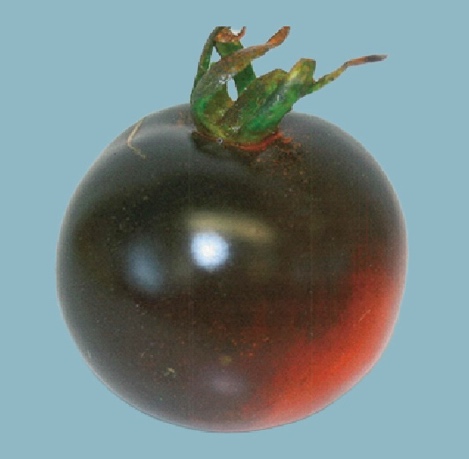
Figure 3. A field photograph of unripe ‘Indigo Rose’ fruit and foliage, showing anthocyanin pigmentation. Image credit: Adopted from Todd Dalotto.
Potential Human Health Benefits and Nutritional Enhancements
The high anthocyanin content (up to 2 mg/g fresh weight) in bioengineered and (1.1 mg/g fresh weight) in classically bred purple tomatoes suggests potential health benefits for humans.17,18 As discussed earlier, anthocyanins are linked to protecting against chronic illnesses such as heart disease, certain cancers, and age-related conditions.5-8 By incorporating purple tomatoes into the diet, individuals may increase their intake of these beneficial phytonutrients, potentially enhancing health outcomes. Moreover, both bioengineered and classically bred purple tomatoes offer a novel way to consume anthocyanins through a widely eaten vegetable, expanding access beyond traditional sources of anthocyanin such as berries, Asian eggplant, and purple heirloom potatoes.17
Changing Attitudes Towards Genetically Modified Organisms (GMOs)
The bioengineered purple tomato’s journey to market includes USDA/APHIS deregulation and FDA notification of safety for human consumption,17 setting a precedent for bioengineered foods that offer direct consumer benefits and potentially shifting public perception.19 However, even with these approvals indicating regulatory confidence, broader acceptance involves more than regulatory approvals. It requires emphasizing the tangible consumer benefits, effectively communicating its advantages, and addressing any arising concerns. This is exemplified by the story of Hawaii’s “Rainbow Papaya.” In the 1990s, the papaya ringspot virus threatened local farms, leading to the development of a genetically modified papaya by Dr. Dennis Gonsalves and his team. The success of this virus-resistant papaya, which became widely accepted by farmers and consumers in the late 1990s, reflects how clear benefits can lead to the acceptance of genetically modified crops.20 As public awareness and understanding of biotechnology grow, the bioengineered purple tomato—like the Rainbow Papaya—could benefit from a similar shift in consumer attitudes, especially as its potential for improved nutrition becomes more widely recognized
Impact on the Tomato Industry and Economic Benefits
The commercialization of bioengineered and classically bred purple tomatoes could have a transformative impact on the tomato industry by introducing a novel product category. For farmers, cultivating bioengineered purple tomatoes or classically bred purple tomatoes can diversify their crop offerings and provide access to new markets, increasing economic resilience. The potential for premium pricing and strong consumer interest may lead to higher revenues. However, it is important to acknowledge that the bioengineered nature of purple tomatoes may not appeal to all consumers. For those consumers, the classically bred purple tomato is available as an alternative. Moreover, the success of purple tomatoes could inspire further innovation within the agricultural sector, promoting the development of other nutritionally enhanced crops and contributing to the overall growth of the industry.17
Health Food Stores and Organic Markets
Both bioengineered and classically bred purple tomatoes offer enhanced health advantages, potentially appealing to consumers who prioritize wellness and are open to either biotechnological or traditionally bred products. By emphasizing the health benefits, producers can position purple tomatoes in stores that focus on wellness and organic products. The unique coloration and scientifically backed advantages make them stand out among conventional produce, attracting health-conscious consumers who prioritize nutritional value.
Bioengineered Purple tomatoes are now available in select grocery stores (Food City Virginia, Lidl Virginia, and Food Lion, Triangle Area, North Carolina) across the USA under the brand name “Empress Limited Edition Tomatoes”.17
Development of Purple Tomato Varieties
Crossbreeding introduced the bioengineered purple tomato trait from the MoneyMaker genetic background into several popular and heirloom tomato varieties. The resulting purple tomatoes consistently inherited their unique color, as seen in the “MicroTom” cultivar (Figure 4). This purple trait also added to other varieties, including “MoneyMaker,” “Ailsa Craig,” VF36, and the industrial variety Ohio 8324, which are used for large-scale tomato juice production (Figure 4). Additionally, the bioengineered purple trait is also incorporated into yellow tomato varieties such as One and Goldkrone. In these yellow backgrounds, the purple trait produced darker and bluer fruits while also making them noticeably sweeter by reducing lycopene and increasing other pigments (Figure 5).17

Figure 4. Purple fruits from different tomato varieties were photographed in the F2 generation. These tomatoes resulted from crossbreeding a purple MoneyMaker background with varieties such as Ailsa Craig, Ohio 8423, Goldkrone, Maglia Rosa, and Lucinda. Image Credit: Adapted from Martin C and Butelli E.

Figure 5. Purple tomatoes in the Goldkrone genetic background originate from crossing purple MoneyMaker genetic background with the yellow Goldkrone variety. In the F3 generation, different lines with purple fruits develop. Lines that produce smaller fruits were selected for home gardeners, while those with larger fruits are intended for sale as “snacking tomatoes” and “limited edition” supermarket products. Image Credit: Adapted from Martin C and Butelli E.
Access for Farmers and Home Gardeners
Purchasing Seeds
In February 2024, the bioengineered purple tomatoes became the first genetically modified food crop marketed directly to home gardeners as seeds. Farmers and home gardeners interested in growing these unique tomatoes can purchase seeds from Norfolk Healthy Produce, a U.S. subsidiary of Norfolk Plant Sciences.17
Home gardeners and farmers interested in growing classically bred purple tomatoes can buy seeds from various sources, including Territorial Seed Company, Nichols Garden Nursery, TomatoFest, Harris Seeds, Hoss Tools, Tomato Growers Supply Company, and Pinetree Garden Seeds. However, it is important to note that bioengineered purple tomato seeds are much more expensive, costing approximately $20 for 10 seeds, compared to classically bred purple tomato seeds, which range from $3.25 to $4.50 for 20 seeds. Seeds of the classically bred purple tomato, available in small quantities for research and breeding purposes, including for hobbyist breeders, can be obtained through the Oregon State University Vegetable Breeding and Genetics program. In contrast, the use of bioengineered purple tomatoes in breeding, including by hobbyist breeders, is restricted due to patent protections. Growers are allowed to save seeds from both bioengineered purple tomatoes and classically bred purple tomatoes.
Cultivation Practices Specific to Bioengineered Purple Tomatoes
Cultivating bioengineered purple tomatoes requires attention to their unique genetic background. The purple anthocyanin trait has been introgressed into varieties such as Goldkrone, which is known for early flowering, high yield, and enhanced sweetness. These tomatoes generally follow standard cultivation practices with attention to support for indeterminate growth habits and optimal sunlight exposure. The absence of lycopene in certain varieties enhances the purple coloration, so maintaining plant health is crucial for maximum anthocyanin accumulation.17
Approval of the Bioengineered Purple Tomato in the United States
The bioengineered purple tomato gained approval in the United States through a careful review process by two main agencies: the United States Department of Agriculture’s Animal and Plant Health Inspection Service (USDA/APHIS) and the Food and Drug Administration (FDA).
USDA/APHIS Approval
Firstly, the developers submitted their bioengineered purple tomato to USDA/APHIS, which is responsible for assessing the safety of genetically modified plants in terms of plant health and environmental impact. Under the revised Biotechnology Regulations known as the SECURE rule, USDA/APHIS focuses on the actual characteristics of the plant rather than how it was created.21 USDA/APHIS conducted a thorough review to determine if the purple tomato posed any risk as a plant pest or could harm other plants or the environment. Consequently, USDA/APHIS “deregulated” the bioengineered purple tomato.22 This deregulation means that the tomato is no longer subject to special regulatory oversight and can be grown and sold like any other tomato variety.17
FDA Approval
Simultaneously, the developers engaged in a voluntary consultation with the FDA, which ensures that foods are safe for human consumption. Comprehensive details about the development of bioengineered purple tomatoes were submitted, including the introduction of two genes from the snapdragon plant to boost anthocyanin production. Information regarding nutritional content, potential allergens, and toxins was also included.17
The FDA reviewed this information to assess if the bioengineered purple tomato was as safe to eat as traditional tomatoes. The assessment revealed that aside from the intended increase in anthocyanins (which are beneficial antioxidants found in many fruits and vegetables), the bioengineered purple tomato is essentially the same as other tomato varieties. The FDA determined that the newly introduced proteins are neither allergens nor toxins and are quickly broken down during digestion.23 Consequently, the FDA concluded that the bioengineered purple tomato is safe for human consumption. By obtaining approvals from both USDA/APHIS and the FDA, the bioengineered purple tomato was officially cleared for cultivation and sale in the United States. This means farmers can grow it, and consumers can purchase and enjoy it, knowing it has been thoroughly evaluated for safety to both the environment and human health.17
Conflict of Interest
The author declares no conflict of interest. This article is intended solely for educational purposes. Clemson University does not endorse any specific products introduced herein. For more information, please refer to your local Extension agent.
References Cited
- Wu, X., Beecher, G. R., Holden, J. M., Haytowitz, D. B., Gebhardt, S. E., & Prior, R. L. (2006). Concentrations of anthocyanins in common foods in the United States and estimation of normal consumption. Journal of Agricultural and Food Chemistry, 54(11), 4069–4075. https://doi.org/10.1021/jf060300l
- Cho, J., Kang, J. S., Long, P. H., Jing, J., Back, Y., & Chung, K. S. (2003). Antioxidant and memory enhancing effects of purple sweet potato anthocyanin and cordyceps mushroom extract. Archives of Pharmaceutical Research, 26(10), 821–825. https://doi.org/10.1007/BF02980027
- Lao, F., & Giusti, M. M. (2016). Quantification of purple corn (Zea mays L.) anthocyanins using spectrophotometric and HPLC approaches: Method comparison and correlation. Food Analytical Methods, 9(5), 1367–1380. https://doi.org/10.1007/s12161-015-0318-0
- Brozdowski, J., Waliszewska, B., Loffler, J., Hudina, M., Veberic, R., & Mikulic-Petkovsek, M. (2021). Composition of phenolic compounds, cyanogenic glycosides, organic acids, and sugars in fruits of black cherry (Prunus serotina Ehrh.). Forests, 12(6), 762. https://doi.org/10.3390/f12060762
- Renaud, S., & de Lorgeril, M. (1992). Wine, alcohol, platelets, and the French paradox for coronary heart disease. The Lancet, 339(8808), 1523–1526. https://doi.org/10.1016/0140-6736(92)91277-F
- Joseph, J. A., Shukitt-Hale, B., Denisova, N. A., Bielinski, D., Martin, A., McEwen, J. J., & Bickford, P. C. (1999). Reversals of age-related declines in neuronal signal transduction, cognitive, and motor behavioral deficits with blueberry, spinach, or strawberry dietary supplementation. Journal of Neuroscience, 19(18), 8114–8121. https://doi.org/10.1523/JNEUROSCI.19-18-08114.1999
- Seeram, N. P., Adams, L. S., Hardy, M. L., & Heber, D. (2004). Total cranberry extract versus its phytochemical constituents: Antiproliferative and synergistic effects against human tumor cell lines. Journal of Agricultural and Food Chemistry, 52(9), 2512–2517. https://doi.org/10.1021/jf0352778
- Hou, D. X., Fujii, M., Terahara, N., & Yoshimoto, M. (2004). Molecular mechanisms behind the chemopreventive effects of anthocyanidins. Journal of Biomedical Biotechnology, 2004(5), 321–325. https://doi.org/10.1155/S1110724304403040
- Shin, W. H., Park, S. J., & Kim, E. J. (2006). Protective effect of anthocyanins in middle cerebral artery occlusion and reperfusion model of cerebral ischemia in rats. Life Sciences, 79(2), 130–137. https://doi.org/10.1016/j.lfs.2005.12.033
- Matsumoto, H., Nakamura, Y., Tachibanaki, S., Kawamura, S., & Hirayama, M. (2003). Stimulatory effect of cyanidin 3-glycosides on the regeneration of rhodopsin. Journal of Agricultural and Food Chemistry, 51(12), 3560–3563. https://doi.org/10.1021/jf034132y
- Tsuda, T., Horio, F., Uchida, K., Aoki, H., & Osawa, T. (2003). Dietary cyanidin 3-O-β-D-glucoside-rich purple corn color prevents obesity and ameliorates hyperglycemia in mice. Journal of Nutrition, 133(7), 2125–2130. https://doi.org/10.1093/jn/133.7.2125
- Li, D., Wang, P., Luo, Y., Zhao, M., & Chen, F. (2017). Health benefits of anthocyanins and molecular mechanisms: Update from recent decade. Critical Reviews in Food Science and Nutrition, 57(8), 1729–1741. https://doi.org/10.1080/10408398.2015.1030064
- Butelli, E., Titta, L., Giorgio, M., Mock, H. P., Matros, A., Peterek, S., Schijlen, E. G., Hall, R. D., Bovy, A. G., Luo, J., & Martin, C. (2008). Enrichment of tomato fruit with health-promoting anthocyanins by expression of select transcription factors. Nature Biotechnology, 26(11), 1301–1308. https://doi.org/10.1038/nbt.1506
- Chun, O. K., Kim, D. O., & Lee, C. Y. (2003). Superoxide radical scavenging activity of the major polyphenols in fresh plums. Journal of Agricultural and Food Chemistry, 51(25), 8067–8072. https://doi.org/10.1021/jf034740d
- Meiers, S., Kemény, M., Weyand, U., Gastpar, R., von Angerer, E., & Marko, D. (2001). The anthocyanidins cyanidin and delphinidin are potent inhibitors of the epidermal growth-factor receptor. Journal of Agricultural and Food Chemistry, 49(2), 958–962. https://doi.org/10.1021/jf0009100
- Williams, R. J., Spencer, J. P., & Rice-Evans, C. (2004). Flavonoids: Antioxidants or signalling molecules? Free Radical Biology and Medicine, 36(7), 838–849. https://doi.org/10.1016/j.freeradbiomed.2004.01.001
- Martin, C., & Butelli, E. (2024). The purple tomato story: From laboratory bench to the consumer. ACS Food Science & Technology. https://doi.org/10.1021/acsfoodscitech.4c00692
- U.S. Department of Agriculture, Agricultural Marketing Service, Science and Technology – Plant Variety Protection Office. (2025, February 2). Plant variety protection office. U.S. Department of Agriculture. https://apps.ams.usda.gov/cms/adobeimages/201500116.pdf
- Kolodinsky, J., Rose, N., & Danielsen, J. (2023). U.S. consumer support for genetically modified foods: Time trends and assessments of four GM attributes. GM Crops & Food, 14(1), 1–13. https://doi.org/10.1080/21645698.2023.2278683
- Gonsalves, C., Lee, D. R., & Gonsalves, D. (2004). Transgenic virus-resistant papaya: The Hawaiian ‘Rainbow’ was rapidly adopted by farmers and is of major importance in Hawaii today. APSnet Features, 10. https://doi.org/10.1094/APSnetFeature-2004-0804
- Animal and Plant Health Inspection Service. (2025, February 2). Revised biotechnology regulations (previously SECURE rule). U.S. Department of Agriculture. https://www.aphis.usda.gov/biotechnology/regulations/secure-rule
- United States Department of Agriculture. (2025, February 2). Regulatory status review of tomato developed using genetic engineering for fruit-specific expression of the Arabidopsis thaliana Myb12 transcription factor, resulting in increased expression of genes associated with phenylpropanoid biosynthesis, and resistance to antibiotics, including kanamycin and neomycin, via expression of the neomycin phosphotransferase gene (NPTII). U.S. Department of Agriculture. https://www.aphis.usda.gov/sites/default/files/24-142-01rsr-response.pdf
- Food and Drug Administration. (2025, February 2). Biotechnology notification file no. BNF 000178. U.S. Food and Drug Administration. https://www.fda.gov/media/170056/download